
ADVERTISEMENT | COREX BOOKS
1. It's Not Another Version of the Same Puzzle
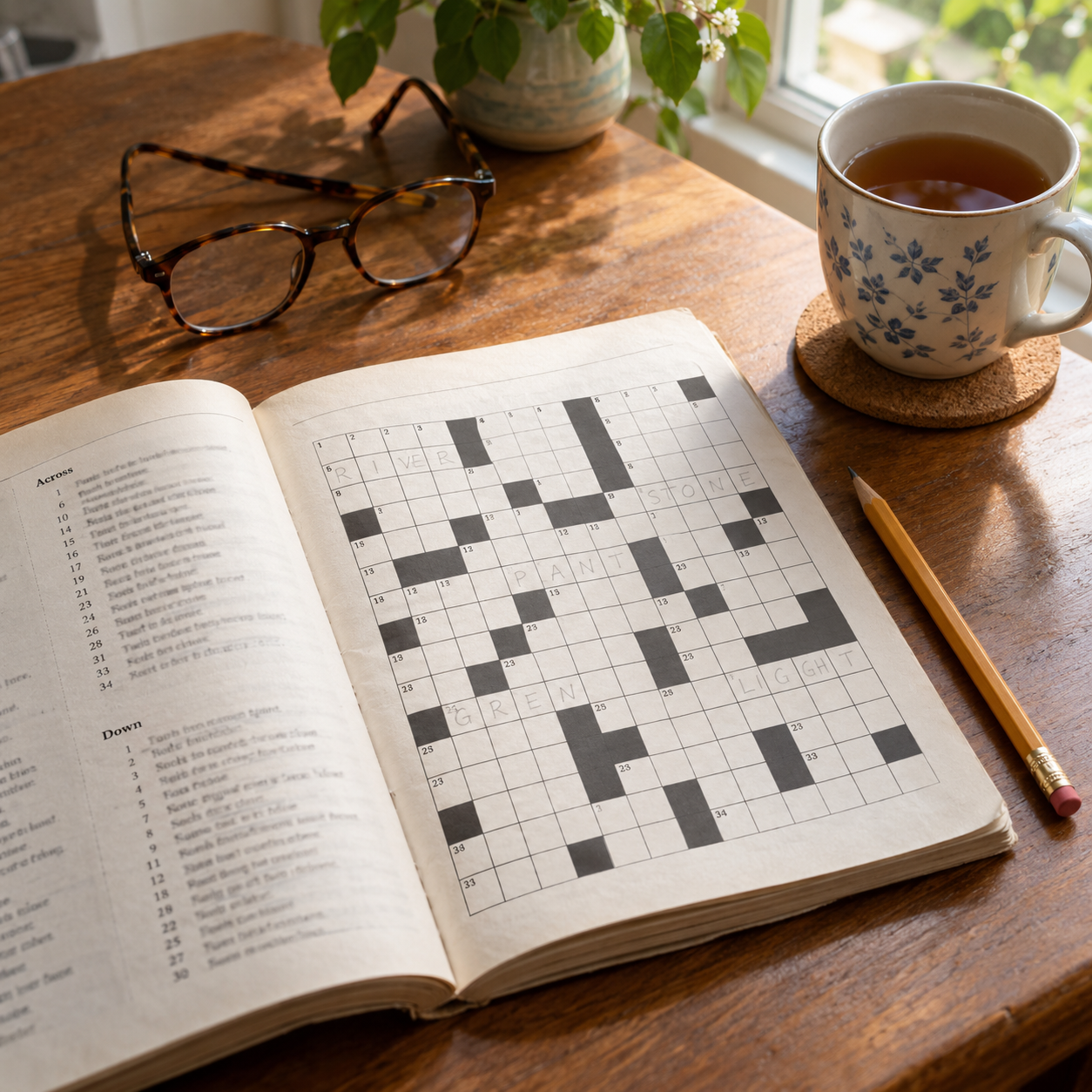
There is nothing wrong with a good crossword, word search or jigsaw. Sometimes, though, you want a different kind of question to sit down with.
The Killer Isn't June begins with a short fictional setup: June has been accused of a murder she didn't commit. Then the book hands the solving over to you.
Instead of filling boxes from definitions or circling hidden words, you're given a ledger containing 43,000 name entries and 17 clues. Each clue gives you something to check. You apply it to the ledger. Rule possibilities out. Keep narrowing the case.
The basic goal is easy to understand: Find the answer that survives the elimination.
“
A familiar pleasure — working something out — with a completely different task.
— Corex Case Note

2. You Can Actually See the Case Getting Smaller
The number 43,000 sounds enormous until you understand how the puzzle works.
You are not expected to memorise 43,000 people.
You are not reading 43,000 character stories.
The names sit inside an organised ledger of pages and chapters.
The clues tell you which details matter.
Some clues involve letters inside a name. Others involve pages, nearby names or chapter details. When something cannot fit the clue, you rule it out.
Cross off a name. Rule out a page. Sometimes remove a much larger group from consideration.
The marks on the paper become a record of your reasoning. That visible progress is part of the experience: the case that began with thousands of possibilities becomes smaller because of deductions you made.
“
43,000 entries is the starting field — not 43,000 biographies to study.
— Corex Case Note


4. It Works as a Quiet Project — or Something to Compare
Not every enjoyable activity needs to be social. You can work June completely on your own. Make your deductions. Cross possibilities out. Keep your theory to yourself until the end.
But if someone else in your life likes mysteries or puzzles too, the same case can become something to compare. Work through one copy together. Or each keep your own copy and see where your thinking differs.
One person may rule something out immediately. The other may want to check the clue again. Neither way is the "correct" way to enjoy the experience.
The point is that the case works whether your ideal afternoon is quiet and independent or shared with someone who enjoys the same kind of challenge. One case. Your pace. Your theory.

5. There Is an Answer to Work Toward
Some hobbies are intentionally open-ended. This case isn't. The ledger begins wide. The clues narrow it down.
Your deductions are leading somewhere specific. There is one final solution. That gives every crossed-out name and every page you eliminate a purpose inside the puzzle.
You're not simply turning pages to pass the time. You're working toward the moment when you believe you know who did it.
When you're ready, you can check your final answer online. The solution isn't printed at the back where you can accidentally see it while you're still solving.
Start with 43,000. Work toward one.
“
The ending isn't another clue. It's finding the answer your deductions leave standing.
— Corex Case Note
A Closer Look at the Case
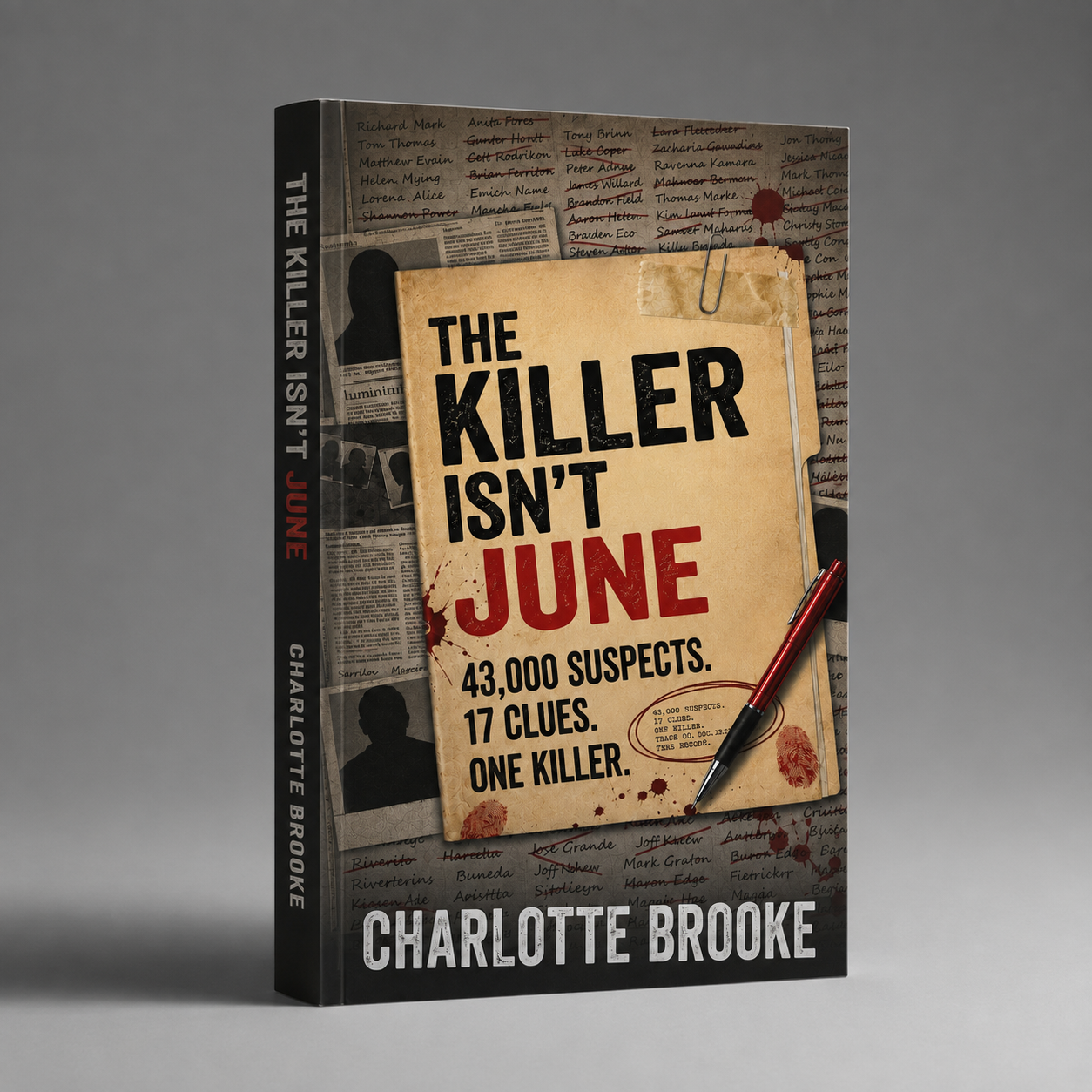
THE KILLER ISN'T JUNE
Vol. 1 · Paperback or Spiral Bound
SHOP NOW